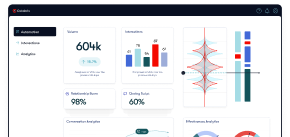
Agent status refers to the current work mode and availability designation of a contact center agent at any given time during their shift. In a call center or contact center, agent status refers to the current work mode of an agent at any given time during a shift. These status indicators enable contact centers to determine which agents can receive calls, monitor current call volume and agent load, track individual agent performance, and optimize overall staffing levels for maximum operational efficiency.
Agent status serves as the operational backbone of contact center management, providing real-time visibility into workforce availability and productivity. Unlike simple presence indicators, agent status encompasses a comprehensive system that tracks not only whether an agent is available, but also what specific activity they’re engaged in and how it impacts the contact center’s ability to serve customers effectively.
Core Agent Status Categories
Available Status represents the primary productive state where agents are logged in, ready, and can accept contact requests as they come in. An agent is ready to make calls or receive calls from their designated queues. This status is usually triggered once the agent logs into the system. Only when an agent’s status is set to available will any communication such as voice calls, chat, email, social messaging conversations, or campaigns be routed to them.
On Call Status indicates that an agent is present on the phone and actively engaged with a customer. On call status is assigned automatically as an agent connects to the call. During this state, the agent is unavailable to receive new interactions until their current engagement concludes, ensuring focused attention on the customer they’re serving.
Not Available Status encompasses various non-productive states where agents are logged in but cannot accept new customer interactions. An agent is occupied and unable to answer calls. This broad category includes scheduled breaks, training sessions, meetings, and other authorized activities that prevent agents from handling customer contacts.
Post Call Work (ACW) represents the time immediately following a customer interaction when agents complete necessary follow-up tasks. An agent has completed a call and is doing ACW like taking a call note or creating a ticket. This status acknowledges that quality customer service extends beyond the conversation itself to include proper documentation and case resolution activities.
Technology Integration and Automation
Modern contact center platforms automatically manage agent status changes based on system interactions and predefined business rules. Most statuses, like “On-call” and “Assigned,” are in sync with one another and are triggered by the system according to call status, whereas some of them, like “Break” or “Listening,” can only be triggered by the agent when necessary.
Automatic Status Transitions occur seamlessly as agents move through their workflow. When an incoming call is presented to an agent, their status automatically changes from Available to Assigned, then to On Call when answered, and finally to ACW upon call completion. These automated transitions ensure accurate real-time reporting without requiring constant manual intervention from agents.
Manual Status Control empowers agents to manage their availability based on immediate needs and scheduled activities. Agents can manually switch to break status for lunch periods, training status for learning sessions, or meeting status for team discussions. This flexibility helps maintain accurate workforce visibility while accommodating the dynamic nature of contact center operations.
Integration with Workforce Management systems creates a powerful combination for operational oversight. Today, most customizable call center solutions allow you to create custom agent statuses—all you have to do is define status metrics according to your agents’ and operational needs. This integration enables sophisticated scheduling, adherence monitoring, and performance tracking capabilities.
Performance Monitoring and Dashboard Integration
Agent status information forms the foundation of comprehensive contact center dashboards that provide real-time operational visibility. An easy-to-use call center solution will display all agent statuses on a single dashboard, enabling you to filter them by operation, queue, or status. These dashboards serve multiple stakeholders with tailored views of agent status data.
Supervisor Dashboards display current agent status across the entire team, showing how many agents are available, on calls, in break status, or engaged in other activities. This real-time visibility enables supervisors to make informed decisions about call routing, break scheduling, and resource allocation to maintain service levels during fluctuating demand periods.
Agent Personal Dashboards provide individuals with visibility into their own status transitions and performance metrics. Current Status – Whether they’re available, in a call, or on break becomes part of a comprehensive performance view that helps agents understand their productivity patterns and make informed decisions about their work pace.
Executive Reporting aggregates agent status data to provide strategic insights into contact center utilization, staffing effectiveness, and operational efficiency. These high-level views help leadership understand trends in agent productivity, identify optimization opportunities, and make informed decisions about staffing investments.
Customization and Business Alignment
Effective agent status systems adapt to specific business requirements and operational workflows rather than forcing contact centers to conform to rigid status structures. As mentioned previously, a well-established call center agent status system will enable you to finetune call center status codes according to your call center’s needs.
Industry-Specific Customization allows contact centers to create status codes that reflect their unique operational requirements. Healthcare contact centers might include status codes for patient privacy compliance activities, while financial services centers might have specific status codes for regulatory documentation requirements.
Campaign-Specific Status Codes enable different status configurations for various business functions. Sales campaigns might include status codes for lead research and follow-up activities, while customer service operations might emphasize status codes related to issue resolution and customer follow-up activities.
Compliance and Regulatory Requirements often necessitate specific agent status tracking for audit and reporting purposes. Industries with strict regulatory oversight require detailed documentation of agent activities, making comprehensive status tracking essential for demonstrating compliance with applicable regulations.
Impact on Customer Experience and Service Delivery
Agent status directly influences customer experience through its effect on service availability, response times, and interaction quality. When agents properly manage their status, customers experience more predictable service delivery and shorter wait times.
Call Routing Efficiency depends heavily on accurate agent status information. The contact center’s automatic call distribution system uses agent status to determine which agents can receive incoming calls, ensuring that customers are connected to available agents rather than being routed to agents who cannot accept the interaction.
Service Level Management relies on agent status data to maintain consistent service delivery. Supervisors monitor agent status distributions to ensure adequate coverage during peak periods and can proactively adjust staffing or encourage agents to return from break status when service levels are at risk.
Quality Consistency improves when agents use appropriate status codes for different activities. Agents who properly transition to training status during coaching sessions or meeting status during team discussions are better prepared for customer interactions when they return to available status.
Advanced Features and Functionality
Modern agent status systems include sophisticated features that enhance operational control and agent experience. Status Reserving allows your agents to “reserve” a status during a call, which helps auto-switch their status once the call ends— no interference with breaks or other arrangements.
Scheduled Status Changes enable agents to pre-plan their status transitions based on scheduled activities. Agents can schedule automatic transitions to break status for lunch periods or meeting status for training sessions, reducing the administrative burden of manual status management.
Status Duration Tracking provides insights into how agents spend their time across different status codes. This data helps supervisors identify patterns in agent behavior, optimize break scheduling, and ensure that agents are spending appropriate amounts of time in productive versus non-productive status codes.
Multi-Channel Status Management accommodates the complexity of modern omnichannel contact centers where agents handle voice, email, chat, and social media interactions. Agent status systems can track availability across multiple channels simultaneously, ensuring proper routing across all communication channels.
Best Practices for Agent Status Management
Clear Status Definitions ensure consistent usage across the contact center team. Ambiguous status codes lead to inconsistent reporting and ineffective workforce management. Each status code should have a clear definition, specific use cases, and guidelines for appropriate usage.
Regular Training and Communication help agents understand the importance of accurate status management. A newly starting agent may require more time to process a call, take notes, and listen to other agents’ calls. When that’s the case, having well-thought agent statuses in place will help your new hires with their onboarding as they will have more control over call management.
Balanced Monitoring Approach provides necessary oversight without creating a surveillance culture that negatively impacts agent morale. Effective agent status monitoring focuses on operational optimization and performance support rather than punitive oversight.
Agent status represents a fundamental component of effective contact center operations, providing the real-time visibility and control necessary for delivering consistent customer service while optimizing agent productivity and satisfaction.