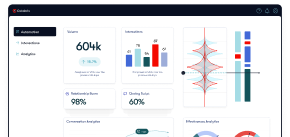
An agent scorecard is a performance measurement tool that contact centers use to evaluate, track, and benchmark agent effectiveness across multiple dimensions of customer service delivery. The scorecard serves as a strategic performance management tool that measures, tracks and benchmarks agent performance against predefined key metrics, providing both managers and agents with objective data to drive continuous improvement.
Unlike subjective performance reviews that rely on gut feelings or limited observations, agent scorecards transform performance management into a data-driven process. They combine quantitative metrics like average handle time and first call resolution with qualitative assessments such as script adherence and communication skills to create a comprehensive view of agent performance.
Core Components of Agent Scorecards
Key Performance Indicators (KPIs) form the foundation of every agent scorecard. These typically include metrics such as average handle time, customer satisfaction, first call resolution rate, call abandonment rate, and attendance. The most effective scorecards focus on 5-7 critical metrics rather than overwhelming agents with excessive data points.
Weighted Scoring Systems ensure that different metrics receive appropriate emphasis based on business priorities. Typically, the QA scorecard uses 15 to 25 metrics that are weighted in terms of importance to the company’s needs and strategy. Customer satisfaction often receives the highest weighting, recognizing its direct impact on business outcomes.
Performance Benchmarks establish clear expectations and provide context for evaluation. These benchmarks can be based on industry standards, historical performance, or specific business goals, giving agents concrete targets to work toward.
Essential Metrics in Agent Scorecards
Customer Experience Metrics capture the agent’s impact on customer satisfaction and loyalty. Customer Satisfaction (CSAT) measures how satisfied customers are with their interactions with the agent, usually gathered through post-call surveys. Net Promoter Score (NPS) and Customer Effort Score (CES) provide additional insights into the customer experience quality.
Operational Efficiency Metrics measure how effectively agents handle their workload. First Call Resolution (FCR) indicates whether an agent successfully resolves a customer’s issue during the first call, without the need for follow-up. Average Handle Time tracks the duration of customer interactions, balancing efficiency with thorough issue resolution.
Quality Assurance Metrics evaluate adherence to company standards and procedures. These include script compliance, accuracy of information provided, and proper use of systems and tools. Quality scores from call monitoring sessions often comprise a significant portion of the overall scorecard.
Behavioral Metrics assess soft skills and professional conduct. Communication clarity, empathy demonstration, active listening, and professionalism ratings help measure the human elements of customer service that technical metrics might miss.
Benefits of Implementing Agent Scorecards
Objective Performance Evaluation eliminates bias and subjectivity from performance reviews. By rooting performance management in objective insights, managers can deliver targeted coaching and development plans while ensuring agents consistently meet or exceed customer expectations. This data-driven approach creates fairness and transparency in the evaluation process.
Targeted Coaching and Development becomes possible when managers can identify specific areas where agents need improvement. Scorecards provide valuable insights into agent strengths and weaknesses, which can guide training and development initiatives. Rather than generic training programs, managers can create personalized development plans based on individual scorecard results.
Performance Accountability increases when agents understand exactly how they’re being measured. Clear metrics and regular feedback help agents take ownership of their performance and work toward specific improvement goals.
Quality Consistency across the contact center improves when all agents are evaluated against the same standards. This standardization reduces variability in customer experiences and ensures consistent service quality regardless of which agent handles the interaction.
Best Practices for Agent Scorecard Implementation
Focus on Controllable Metrics to ensure fairness in evaluation. Agents should be measured on metrics they can control, avoiding factors like call volume patterns or system outages that are beyond their influence. This approach maintains agent motivation and prevents frustration with uncontrollable variables.
Balance Quality and Quantity to prevent agents from sacrificing service quality for speed. If management places too much emphasis on metrics like average handle time, it might cause agents to rush callers off the phone before their issue is resolved. Effective scorecards weight customer satisfaction and resolution quality alongside efficiency metrics.
Regular Review and Adjustment keeps scorecards relevant as business needs change. Business imperatives will change – so should your scorecard. Schedule quarterly reviews of metric relevance and adjustment of weighting according to changing business objectives and customer requirements.
Role-Specific Customization recognizes that different agent roles require different evaluation criteria. Sales agents should be measured on conversion rates and upselling success, while technical support agents need emphasis on problem resolution accuracy and technical knowledge demonstration.
Technology Integration and Automation
Modern agent scorecards benefit significantly from automated data collection and AI-powered analysis. A lot of companies are now introducing AI in call centers that generates automatic scorecards based on objectives set, providing flawless assessment by monitoring every call record and analyzing speech and sentiment.
Real-Time Monitoring capabilities allow managers to track performance as it happens, enabling immediate coaching interventions when needed. This proactive approach can prevent small issues from becoming larger problems.
Automated Quality Evaluation reduces the manual burden on quality assurance teams while increasing the volume of interactions evaluated. AI-powered tools can assess 100% of customer interactions rather than small samples, providing more comprehensive performance insights.
The Business Impact of Agent Scorecards
Effective agent scorecards drive measurable improvements in contact center performance. They create a culture of continuous improvement where agents can see their progress over time and understand how their individual contributions impact overall business success.
The transparency and objectivity of scorecard-based performance management also improve agent satisfaction and retention. When agents understand exactly what’s expected of them and receive regular, data-backed feedback, they’re more likely to feel supported and engaged in their roles.
For contact center managers, scorecards provide the insights needed to make informed decisions about staffing, training investments, and operational improvements. They transform subjective impressions into actionable data that can guide strategic planning and resource allocation.
Agent scorecards represent a fundamental shift from traditional performance management to data-driven excellence. When implemented thoughtfully with appropriate metrics, clear communication, and regular refinement, they become powerful tools for driving both individual agent success and overall contact center performance.