Automated Speech Recognition (ASR) is a technology that enables computers to understand and process human speech. It converts spoken language into text, facilitating various applications such as voice commands, transcription services, and interactive voice response systems.
Understanding Automated Speech Recognition
Automated Speech Recognition is a subset of artificial intelligence that focuses on the interpretation of human speech. This technology has evolved significantly over the years, driven by advancements in machine learning and natural language processing. ASR systems are now capable of recognizing a wide range of accents, dialects, and languages, making them versatile tools in various industries.
How ASR Works
At its core, ASR technology involves several key processes:
- Audio Input: The system captures audio signals through microphones or other recording devices.
- Signal Processing: The audio signals are processed to filter out noise and enhance clarity.
- Feature Extraction: The system identifies distinct features of the speech, such as phonemes and intonations.
- Decoding: The extracted features are matched against a database of known words and phrases to generate text output.
Applications of ASR
ASR technology is utilized across various sectors, enhancing efficiency and user experience. Some common applications include:
- Customer Service: ASR is widely used in call centers to automate responses and improve service delivery.
- Transcription Services: It aids in converting spoken content into written text for documentation and record-keeping.
- Voice-Activated Assistants: Devices like smart speakers rely on ASR to understand user commands and provide responses.
The Growth of the ASR Market
The global speech and voice recognition market is experiencing rapid growth, with projections indicating a rise from USD 21.70 billion in 2025 to USD 73.49 billion by 2030. This growth is fueled by advancements in technology and increasing demand for voice-enabled applications.
Market Trends and Statistics
Recent developments in the ASR market highlight significant trends:
- In 2023, over 690 new speech-enabled software products were launched globally, with a focus on real-time voice-to-text conversion.
- Approximately 58% of these products target real-time applications, while 23% focus on multilingual virtual assistants.
Challenges in ASR Technology
Despite its advancements, ASR technology faces several challenges:
- Accuracy Variability: A study measuring the performance of various ASR services found significant accuracy discrepancies, particularly in streaming applications.
- Noise Interference: Background noise can adversely affect the recognition accuracy, especially in crowded environments.
Calabrio’s Role in ASR
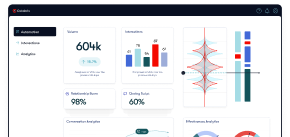
Calabrio is at the forefront of integrating ASR technology into customer service solutions. By leveraging advanced speech recognition capabilities, Calabrio enhances the efficiency of contact centers, enabling organizations to provide superior customer experiences.
Calabrio’s ASR Solutions
Calabrio offers a range of ASR solutions designed to optimize customer interactions:
- Real-Time Transcription: Calabrio’s ASR technology provides real-time transcription of customer interactions, allowing agents to focus on delivering exceptional service.
- Data Analytics: The integration of ASR with analytics tools enables organizations to gain insights from customer conversations, driving continuous improvement.
Benefits of ASR in Customer Service
Implementing ASR technology in customer service operations yields numerous benefits:
- Increased Efficiency: ASR automates routine tasks, allowing agents to handle more complex inquiries.
- Enhanced Customer Experience: Faster response times and accurate information delivery improve overall customer satisfaction.
FAQs about Automated Speech Recognition
What is the primary function of ASR technology?
The primary function of ASR technology is to convert spoken language into text, enabling various applications such as voice commands and transcription services.
How does ASR improve customer service?
ASR improves customer service by automating responses, providing real-time transcription, and enabling data analytics to enhance service delivery.
What industries benefit from ASR technology?
Industries such as customer service, healthcare, education, and entertainment benefit significantly from ASR technology through improved efficiency and user engagement.
What are the challenges faced by ASR systems?
Challenges faced by ASR systems include accuracy variability, noise interference, and the need for continuous updates to accommodate new languages and dialects.
How is Calabrio leveraging ASR technology?
Calabrio leverages ASR technology to enhance customer interactions, providing real-time transcription and analytics that drive operational efficiency and improve customer satisfaction.
Experience the Future of ASR with Calabrio
Embrace the transformative power of Automated Speech Recognition in your contact center with Calabrio. Witness firsthand how our platform’s intuitive design and robust analytics can elevate your operational efficiency and customer satisfaction. With proven results like a 19% improvement in answer rates and a significant reduction in handle time, Calabrio stands out as the premier choice for organizations seeking to outpace competitors like Playvox. Don’t settle for complexity; choose clarity and performance. Book a demo today and start your journey towards a more engaged workforce and a superior customer experience.